The Microsoft logo is a textbook example of how simplicity and consistency can support one of the world’s largest technology brands. Clean, modular, and instantly recognizable, it reflects Microsoft’s evolution from a software company into a global technology ecosystem spanning operating systems, cloud services, hardware, and enterprise solutions.
The Origin of the Microsoft Logo
Microsoft was established in 1975 by Bill Gates and Paul Allen. In its early years, Microsoft experimented with several logo styles, many of which reflected the design trends of their time—sharp angles, heavy typography, and futuristic aesthetics.
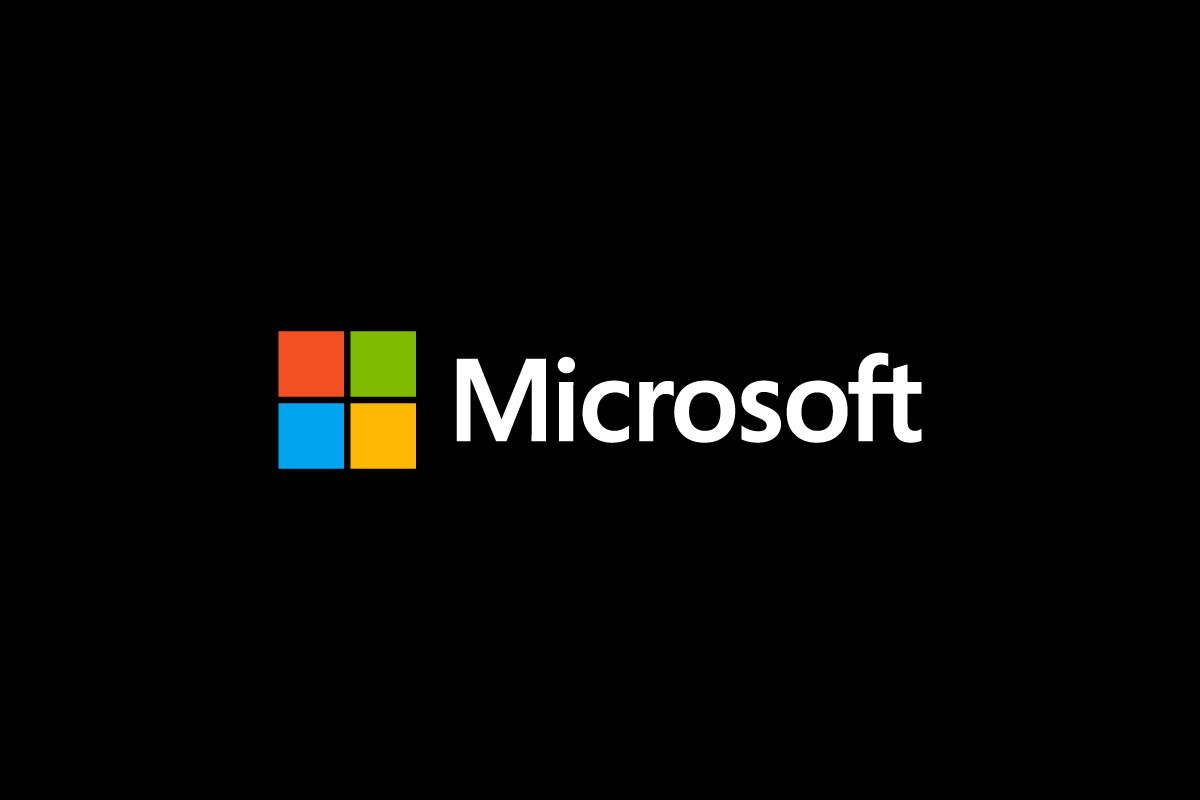
The most significant shift came in 2012, when Microsoft introduced its current logo. This redesign marked a clear departure from complex, text-heavy identities and aligned the brand with a more modern, digital-first philosophy. The new logo needed to unify a growing portfolio of products while remaining flexible and future-proof.
What Type of Logo Is It?
The Microsoft logo is a combination mark, consisting of:
-
A abstract logo symbol (the four-square window icon)
-
A clean sans-serif wordmark
This structure allows Microsoft to use the symbol independently across products and interfaces, while the full logo reinforces brand authority in corporate and marketing contexts.
Design Elements and Symbolism
Microsoft’s logo is built on clarity and modular thinking:
-
The Four Squares: The icon represents a window—an abstract reference to the Windows operating system. More broadly, it symbolizes structure, balance, and multiple components working together.
-
Color Palette: The use of red, green, blue, and yellow reflects diversity, creativity, trust, and energy. Each color aligns naturally with different Microsoft products, making the logo feel like a system rather than a single mark.
-
Typography: The sans-serif wordmark is neutral, modern, and highly legible. It avoids personality extremes, allowing Microsoft’s products to take center stage.
-
Flat Design: The shift to a flat, minimal style aligns with modern UI and software design, ensuring consistency across screens, devices, and platforms.
Together, these elements create a logo that feels organized, adaptable, and globally relevant.
Brand Recognition & Global Impact
The Microsoft logo benefits from extraordinary global exposure. It appears on billions of devices worldwide—from PCs and laptops to enterprise dashboards and cloud platforms.
In recognition testing, out of 50 test users surveyed, more than 43 were able to associate the four-square icon with Microsoft even when the wordmark was removed, particularly in digital and operating-system contexts. That level of recognition comes from decades of consistent use and strong product integration.
Rather than relying on emotional branding alone, Microsoft built recognition through reliability and scale—making the logo a symbol of infrastructure as much as innovation.
Does the Microsoft Logo Work in Small Sizes?
Yes. The Microsoft logo was created with scalability as a core consideration. The square-based icon remains clear at very small sizes, making it ideal for app icons, taskbars, favicons, and interface elements.
The wordmark also performs well across print and digital formats due to its balanced spacing and clean letterforms. This adaptability is essential for a brand operating across consumer, enterprise, and developer environments.
How Microsoft Compares to Competitors
Apple: Uses a symbol-only logo with strong emotional appeal. Microsoft’s logo is more modular and system-oriented.
Google: Employs a colorful wordmark and symbol, emphasizing playfulness. Microsoft’s identity feels more structured and enterprise-ready.
IBM: Relies on a typographic logo rooted in heritage. Microsoft’s pictorial-plus-wordmark approach feels more flexible and modern.
Among tech giants, Microsoft stands out for building a logo that functions as a unifying framework rather than a single statement.
Should They Change the Logo?
No. The current Microsoft logo strikes the right balance between neutrality and recognition. Its modular design allows it to evolve naturally as products change, without requiring frequent redesigns.
Any future updates are more likely to appear in motion, color usage, or product-specific adaptations—not in the core structure of the logo itself.
Conclusion
The Microsoft logo demonstrates the power of clarity and system thinking in brand design. Through a simple four-square icon and a neutral wordmark, it communicates structure, scale, and reliability—qualities that define Microsoft’s role in modern technology.
It’s a logo designed not to compete for attention, but to support everything around it. At Rabbit Logo, we apply the same approach—creating logos that are adaptable, purposeful, and built to grow with the brands they represent.