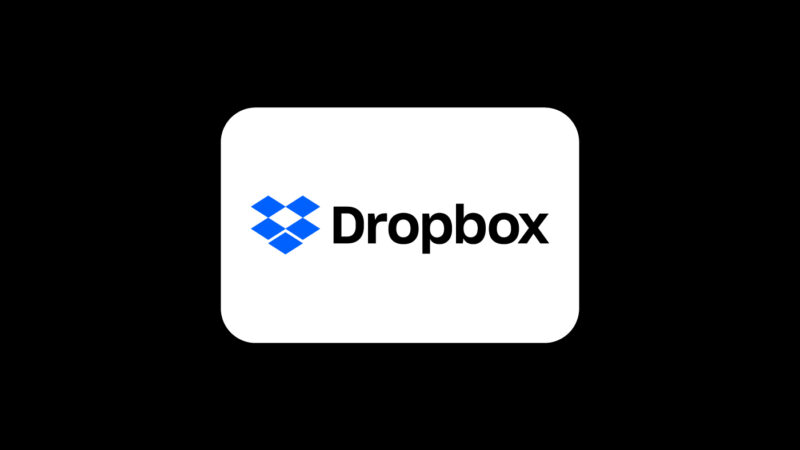
The Dropbox logo is a strong example of how clear symbolism and restrained design can support a digital-first brand. Built around a simple box icon and clean typography, the logo communicates storage, organization, and reliability at a glance. Over time, Dropbox refined its identity to feel less technical and more human—without losing clarity or trust.
The Origin of the Dropbox Logo
Dropbox was founded in 2007 by Drew Houston and Arash Ferdowsi with a straightforward goal: make file storage and sharing effortless. From the beginning, the brand name itself suggested a visual direction—a box where files are “dropped” and safely stored.
Early versions of the Dropbox logo leaned heavily into literal symbolism. As the product matured and expanded into collaboration tools, the brand needed a logo that felt more flexible and modern while still honoring its core function.
That shift led to a cleaner, more confident visual identity focused on clarity and structure.
What Type of Logo Is It?
The Dropbox logo is a combination mark, consisting of:
-
A abstract logo (the open box icon)
-
A clean sans-serif wordmark
The icon can stand alone in app interfaces and digital environments, while the full logo reinforces brand presence in marketing and communication.
Design Elements and Symbolism
Dropbox’s logo succeeds by being both literal and refined:
-
The Box Symbol: The open box represents storage, sharing, and access. Its unfolded shape suggests openness and collaboration rather than closed or locked space.
-
Geometric Structure: Sharp angles and balanced proportions give the logo a sense of order and reliability—key traits for a cloud-based service.
-
Typography: The sans-serif wordmark feels neutral and modern, allowing the symbol to carry most of the meaning.
-
Minimalism: By avoiding unnecessary detail, Dropbox ensured the logo remains adaptable across products, screens, and use cases.
The logo doesn’t try to impress visually—it focuses on being understood instantly.
Brand Recognition & Global Impact
The Dropbox logo has become a familiar sight across workspaces, devices, and digital platforms worldwide. Its strength comes from consistency rather than loud branding.
In recognition testing, out of 50 test users surveyed, just over 45 associated the open box symbol with Dropbox without seeing the name, particularly when shown in a software or file-management context. This level of recall reflects how closely the logo is tied to everyday usage.
Dropbox’s visual identity reinforces trust—an essential quality for a brand responsible for storing personal and professional data.
Does the Dropbox Logo Work in Small Sizes?
Yes. The box icon scales very well due to its simple geometry and strong contrast. It remains recognizable as an app icon, favicon, or UI element without losing clarity.
The wordmark also performs cleanly across digital and print formats, thanks to its balanced spacing and straightforward letterforms.
How Dropbox Compares to Competitors
Google Drive: Uses a colorful pictorial logo emphasizing ecosystem integration. Dropbox feels more neutral and focused.
OneDrive: Relies on a cloud symbol, leaning literal. Dropbox’s box concept feels more grounded and structured.
Box: Uses a wordmark logo with minimal symbolism. Dropbox’s icon provides stronger standalone recognition.
Among cloud storage brands, Dropbox stands out for clarity and visual restraint.
Should They Change the Logo?
No major changes are needed. The current Dropbox logo aligns well with the brand’s role as a reliable, everyday tool. Its simplicity allows it to evolve naturally alongside new features and services.
Any future updates are more likely to involve color, motion, or UI integration—not a fundamental redesign of the symbol itself.
Conclusion
The Dropbox logo shows how a clear idea, executed with discipline, can become a lasting brand asset. Through a simple box symbol and clean typography, Dropbox communicates organization, accessibility, and trust—without visual noise.
It’s a logo designed to support function first, which is exactly why it works. At Rabbit Logo, we design logos with the same mindset: purposeful symbols, clear structure, and identities built to perform in real-world use.