The Facebook logo is one of the most recognized symbols in the digital world. Clean, confident, and instantly familiar, it reflects the platform’s mission to connect people everywhere. Its simple blue wordmark has become more than just a logo — it’s a cultural icon representing communication, community, and technology.
The Origin of the Facebook Logo
The Facebook logo was first introduced in 2004, when Mark Zuckerberg and his college team launched “Thefacebook” from their Harvard dorm room. The original logo featured the full name, “Thefacebook,” in white lowercase letters on a dark blue background. The color choice wasn’t random — Zuckerberg, who is red-green colorblind, selected blue because it’s the most vivid color he can see.
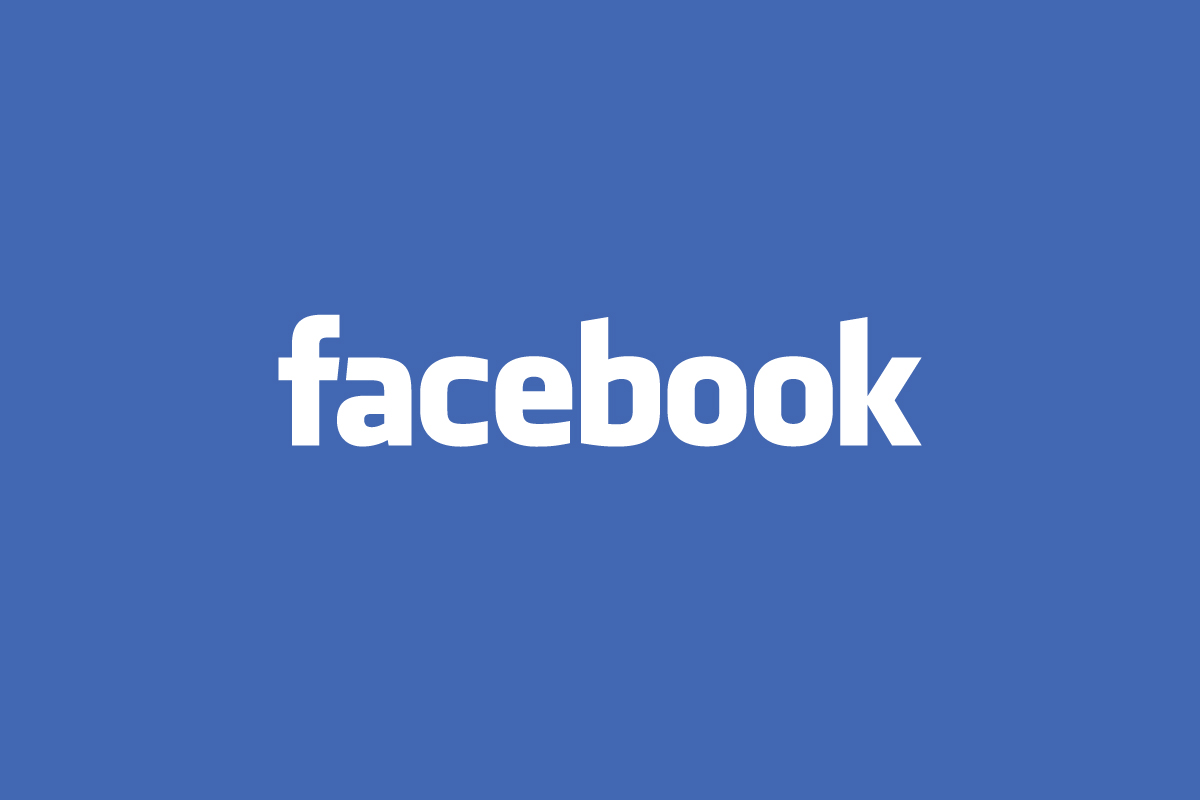
In 2005, after dropping “The” from the name, Facebook simplified its logo to the single word “facebook.” Designed by Joe Kral and Cuban Council, the refreshed wordmark adopted a cleaner, more professional look, reflecting the platform’s rapid growth and broader audience.
What Type of Logo Is It?
The Facebook logo is a wordmark logo, built entirely from text without any decorative icons. Its simplicity is deliberate — the logo represents straightforward communication and universal accessibility.
While many brands evolve toward symbols, Facebook has maintained a strong typographic identity. Its wordmark expresses authority and stability, making it easy to recognize across cultures and languages.
Design Elements and Symbolism
The power of the Facebook logo lies in its restraint. Every element is carefully chosen to evoke trust and connection:
-
Typography: The logo uses a customized sans-serif font based on Klavika, giving it a modern and balanced structure. Its smooth letterforms reflect approachability, while the consistent spacing ensures clarity across devices.
-
Color Palette: The trademark blue and white color scheme symbolizes dependability, trust, and calm — qualities essential to a platform centered on social interaction.
-
Lowercase Lettering: The use of lowercase letters in the early wordmark gave the logo a friendly and informal tone, setting it apart from more corporate-looking tech companies.
-
Minimalism: No embellishments, no icons — just clean typography. This simplicity helped Facebook’s logo scale globally and remain timeless in an ever-changing digital environment.
Brand Recognition & Global Impact
Few logos are as deeply integrated into everyday life as Facebook’s. With billions of users logging in daily, the logo appears on screens more than almost any other symbol worldwide. It’s not just a tech logo—it’s part of the modern social experience.
Facebook has also leveraged its visual identity across its expanding ecosystem. After the 2019 corporate rebrand, the company introduced a distinct corporate wordmark “FACEBOOK” in uppercase letters to differentiate the parent company from the app. This move aligned the brand family, which includes Instagram, WhatsApp, and Messenger, under a unified identity.
In global recognition studies, the Facebook logo consistently ranks among the top five most identifiable logos in the world. Its blue tone and clean wordmark evoke trust even in markets where English isn’t the primary language—a testament to universal design.
Does the Facebook Logo Work in Small Sizes?
Yes — exceptionally well. The Facebook logo was designed for screens, meaning it scales perfectly across digital formats. Even at very small sizes, the “f” icon (used as an app symbol) remains legible and distinct due to its bold geometry and color contrast.
This versatility has helped Facebook dominate both desktop and mobile environments, proving that minimalism often equals maximum usability.
How Facebook Compares to Competitors
Twitter (X): The Twitter bird icon (now replaced by the “X”) is pictorial, while Facebook relies on its wordmark for identity. Facebook’s design feels steadier and more institutional.
Instagram: Uses a colorful gradient camera icon, emphasizing creativity and emotion. Facebook’s simpler approach communicates clarity and authority instead.
LinkedIn: Also employs a blue wordmark logo, but with sharper typography. Facebook’s softer edges and balanced font make it more approachable and less formal.
Should They Change the Logo?
No. The Facebook logo already achieves a near-perfect balance of familiarity and functionality. While the platform has evolved through controversies and brand adjustments, the logo’s consistency has been a key factor in maintaining user trust.
If anything, future tweaks may involve subtle refinements for accessibility or screen optimization, but the core blue wordmark and “f” icon should remain unchanged. They’ve become visual anchors in the digital landscape.
Conclusion
The Facebook logo is proof that timeless design doesn’t need complexity to make an impact. With a simple sans-serif wordmark and a trustworthy blue palette, it communicates connection, stability, and ease — the pillars of a social network built for billions.
Its evolution mirrors the platform itself: cleaner, global, and endlessly adaptable. At Rabbit Logo, we design logos that achieve that same kind of enduring relevance — minimalist, meaningful, and built to connect with audiences worldwide.